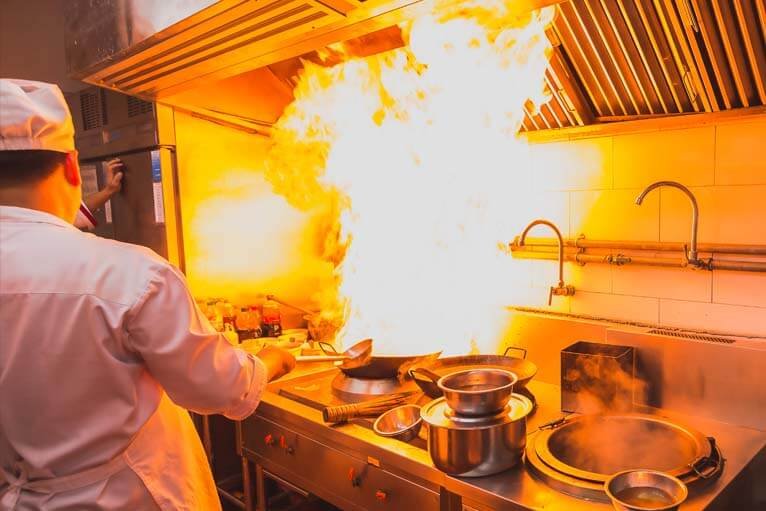
Introduction to Fire Risk Assessment in Restaurants
Restaurants and commercial kitchens are high-risk environments when it comes to fire safety. The constant use of cooking equipment, open flames, hot surfaces, and flammable materials significantly increases the chances of fire incidents. Fire Risk Assessment for Restaurants and Commercial Kitchens is essential to identify potential hazards, reduce risks, and ensure the safety of staff, customers, and property. A proactive fire safety approach also helps businesses comply with legal requirements and avoid costly disruptions.
Understanding Fire Risks in Commercial Kitchens
Commercial kitchens face unique fire risks due to the nature of their operations. Cooking appliances such as fryers, grills, ovens, and gas stoves are common ignition sources. Grease buildup in extraction systems, ductwork, and cooking surfaces can easily ignite if not properly maintained. Electrical faults, improper storage of flammable materials, and overcrowded workspaces further increase fire risks.
Understanding these hazards is the foundation of an effective fire risk assessment.
Importance of Fire Risk Assessment for Restaurants
Fire Risk Assessment is crucial for restaurants because a fire can spread rapidly and cause serious harm in a short time. Kitchens often operate under pressure, increasing the likelihood of human error. A proper assessment helps identify weak points in fire prevention and ensures that safety measures are in place.
In addition, restaurants must comply with fire safety regulations. Failure to do so can result in fines, closure, or damage to the business reputation.
Key Steps in Fire Risk Assessment
The fire risk assessment process begins with identifying fire hazards such as cooking equipment, gas supplies, electrical systems, and grease accumulation. The next step is identifying people at risk, including kitchen staff, waiters, customers, and delivery personnel.
Existing fire safety measures, such as fire alarms, fire blankets, extinguishers, and emergency exits, are then evaluated. Finally, the assessment documents findings and recommends actions to reduce fire risks and improve safety.
See also: Documents Required for Bank Account Opening: Complete and Updated Guide
Fire Prevention Measures in Commercial Kitchens
Effective fire prevention measures are essential in reducing kitchen fire risks. Regular cleaning of cooking equipment and ventilation systems helps prevent grease buildup. Gas and electrical systems should be inspected and maintained frequently to ensure safe operation.
Fire-resistant materials, safe storage of flammable substances, and clear working areas all contribute to improved fire safety. Staff should also be trained to shut down equipment safely in case of emergency.
Fire Detection and Suppression Systems
Proper fire detection and suppression systems are critical for restaurants. Fire alarms and heat detectors should be installed and regularly tested. Commercial kitchens often require specialized fire suppression systems designed to control grease fires without spreading flames.
Fire extinguishers and fire blankets must be easily accessible, and staff should be trained in their correct use.
Emergency Evacuation Planning and Training
Emergency evacuation planning is a vital part of fire risk assessment. Clear evacuation routes, visible signage, and accessible exits help ensure safe evacuation during a fire. Assembly points should be clearly defined.
Regular fire drills and staff training improve awareness and reduce panic during real emergencies. Designated fire wardens can assist in guiding staff and customers to safety.
Legal Compliance and Regular Reviews
Restaurants and commercial kitchens are legally required to conduct fire risk assessments and review them regularly. Changes in equipment, layout, or menu can introduce new fire hazards. Regular reviews ensure ongoing compliance with regulations and maintain a high standard of fire safety.
Benefits of Fire Risk Assessment for Restaurants
Fire Risk Assessment provides numerous benefits, including improved safety, reduced fire incidents, and compliance with fire laws. It helps protect staff and customers, minimizes property damage, and reduces business downtime. A strong fire safety record also builds trust with customers and insurers.
Conclusion
Fire Risk Assessment for Restaurants and Commercial Kitchens is a critical process that helps identify hazards, reduce risks, and protect lives. By implementing effective fire prevention measures, maintaining equipment, and training staff, restaurants can significantly reduce the likelihood of fire incidents. A proactive fire safety strategy ensures smooth operations, legal compliance, and long-term business success.